What are AGVs & AMRs ?
How do Automated and Autonomous Mobile Robots Work?
The intralogistics and internal material transport market is undergoing a dynamic transformation. Traditional manually operated forklifts are increasingly being replaced by mobile robots. In descriptions of modern production facilities and warehouses, terms such as AGV vehicles, AMR robots, automated guided vehicles, and autonomous mobile robots are becoming increasingly common.
What exactly are these systems, what are their main types, and how do they enable automated, operator-free material transport in industrial environments?
- What characterizes automated AGVs and how they navigate their routes
- How AMR autonomy and natural navigation (SLAM) work
- What the 3 key pillars of mobile robot operation are
- Why transport automation is a foundation of modern industry
1. What are AGVs (Automated Guided Vehicles)?
AGVs (Automated Guided Vehicles), also known as automated guided vehicles or automated mobile vehicles, are transport vehicles designed to move loads along predetermined, fixed routes.
AGV navigation principle:
In the traditional approach, an AGV relies on external navigation infrastructure. It follows virtual or physical lines laid out across the facility, such as magnetic tapes, colored lines, or QR codes placed on the floor.
2. What are AMRs (Autonomous Mobile Robots)?
AMRs (Autonomous Mobile Robots) represent a more modern and flexible category of mobile robots. The key feature that distinguishes them from traditional AGVs is their ability to independently navigate their surroundings and intelligently avoid obstacles.
AMR navigation principle (Natural Navigation / SLAM):
An AMR does not require magnetic tapes or any modifications to the floor infrastructure. The robot creates a digital map of the facility and uses natural navigation, allowing it to move between points along an optimized route and respond to dynamic changes in its environment.
3. How do autonomous and automated mobile robots work?
Regardless of their level of navigation sophistication, all mobile robots are designed to perform transport missions without operator intervention – for example, continuously moving pallets, containers, or production components between workstations.
The daily operation of mobile robots is based on 3 key pillars:
1. Detection and Localization Systems
Robots use precision sensors (LiDAR laser scanners, 3D cameras, and odometry) to determine their position within the facility in real time and monitor their immediate surroundings.
2. Control Unit
An onboard industrial computer rapidly processes sensor data, controls the drive system, and issues commands for driving, steering, and load lifting operations.
3. Wireless Communication
Vehicles communicate with the central fleet management software (or WMS/MES systems) over a Wi-Fi network, receiving transport orders and reporting their current status.
Summary: The Foundation of Modern Intralogistics
Both AGVs and AMRs are a cornerstone of modern internal transport automation. The choice of technology depends on the complexity of the processes, the dynamics of the facility, and the specific requirements of each operation.
Custom Mobile Robots from RB Poland
As a Polish manufacturer of mobile robots, RB Poland designs and builds custom AGV and AMR solutions, perfectly tailored to the specific requirements of production, logistics, and warehouse operations.
Not sure which solution is best for your facility?
You don’t have to make the decision on your own. The RB Poland engineering team will analyze your production processes, route layouts, and load requirements to select the technology that is perfectly suited to your needs.
Get a free consultation for your project →Check out the articles below or explore the full AGV & AMR GUIDE (FAQ)
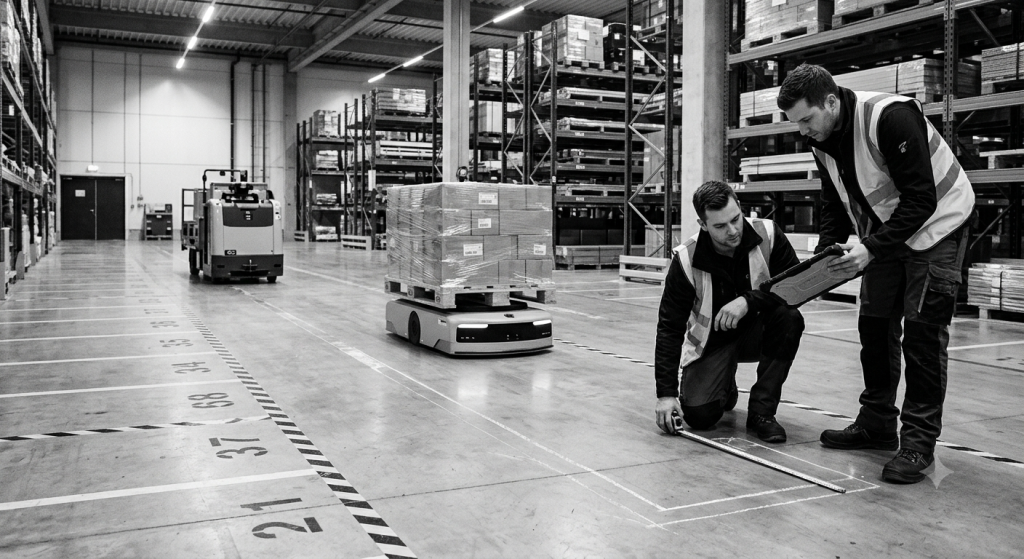
See how little is needed to introduce a fleet of AGVs or AMRs into your factory.
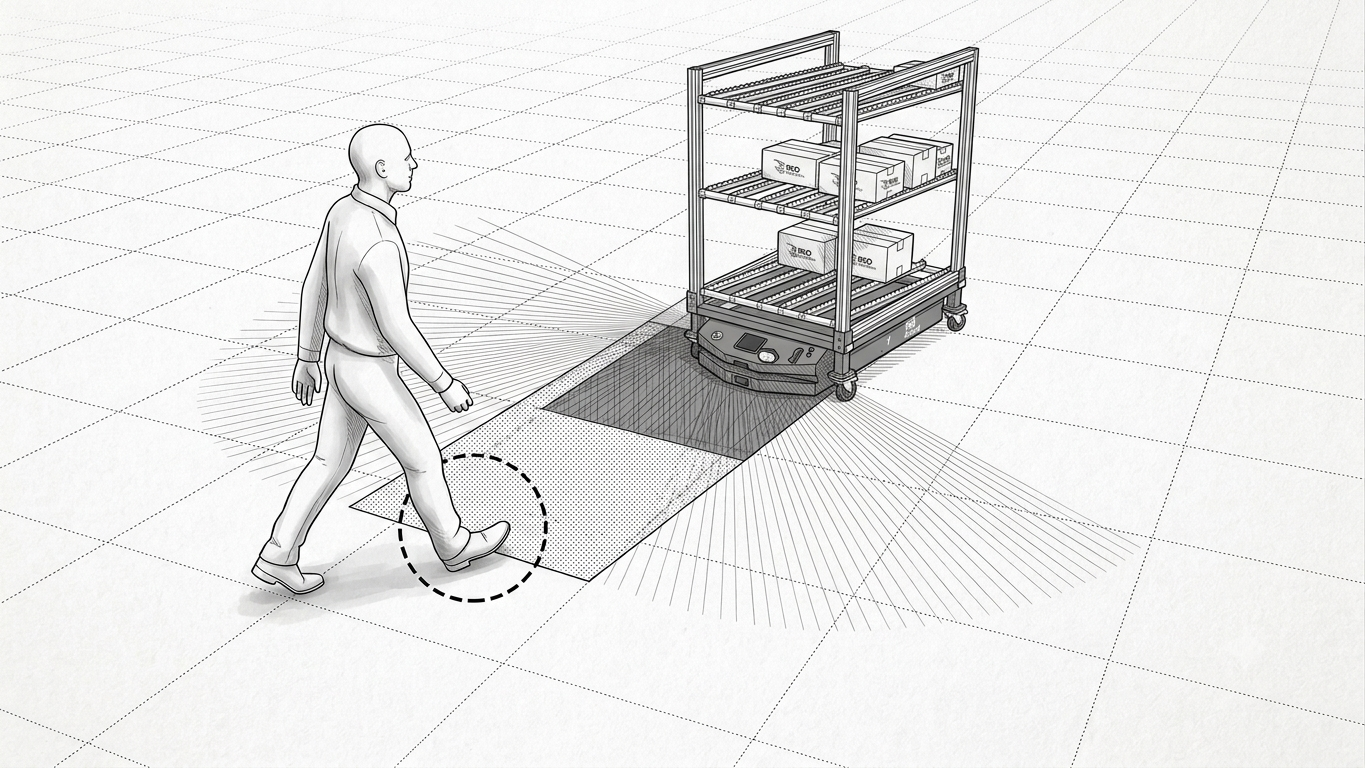
Discover how safety scanners, 3D safety cameras, and other protective systems make industrial facilities safer.
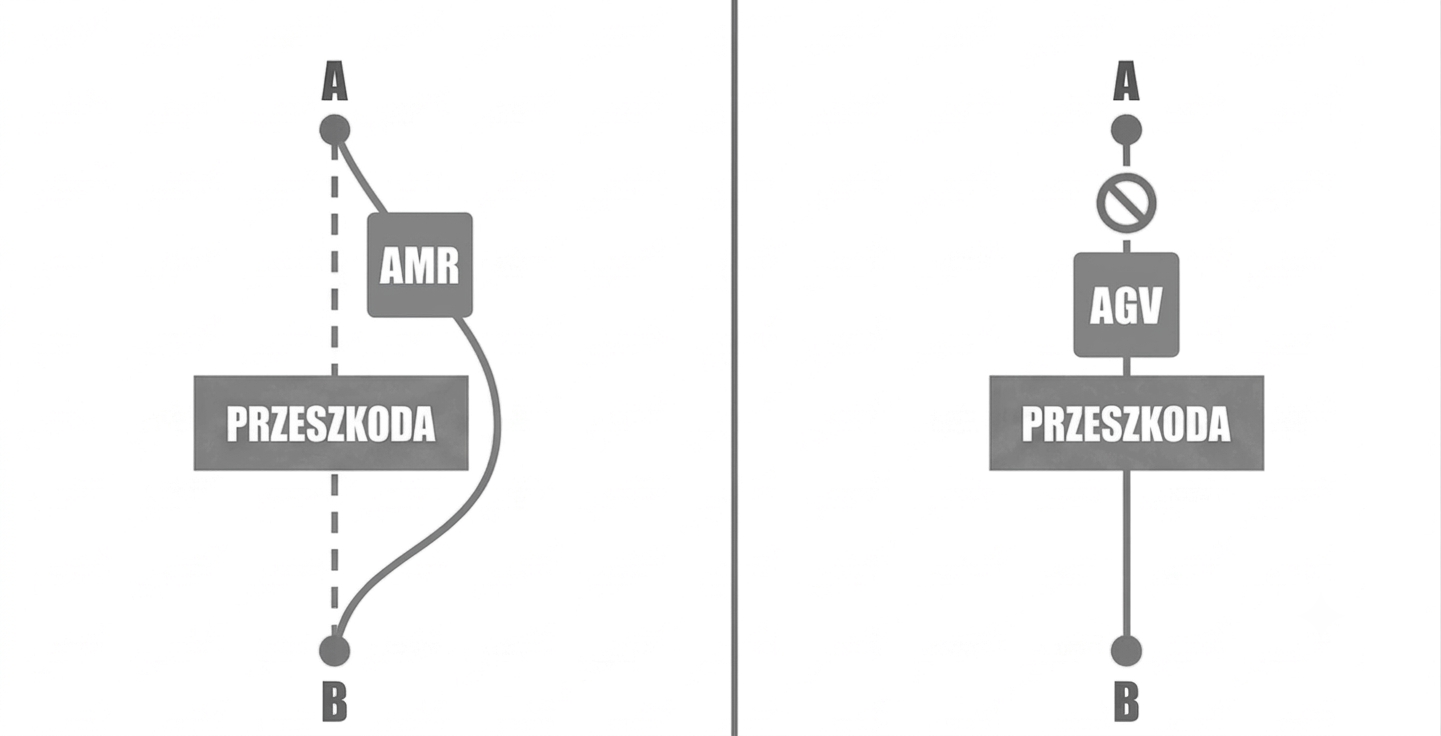
We compare AGVs and AMRs. Find out which solution is better suited to your working environment.